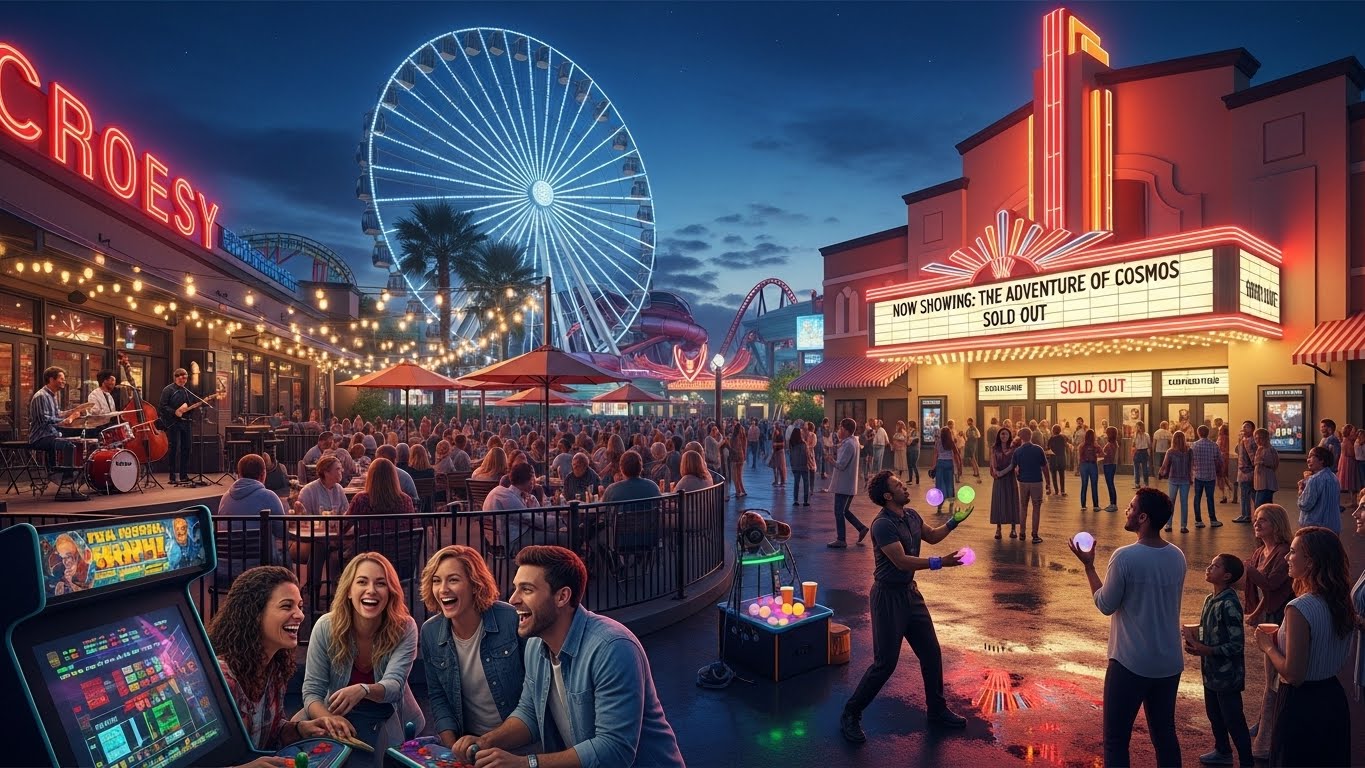

Entertainment is an intrinsic part of human life, a source of joy, relaxation, and often, an escape from the daily grind. Over the years, the way we experience entertainment has drastically transformed. While we once gathered around the radio, visited movie theaters, or read books for amusement, today’s entertainment landscape is dominated by streaming platforms, video games, social media, and virtual experiences. This blog post delves into how entertainment has evolved, what trends are shaping the industry, and how it continues to adapt to the digital age.
The Golden Era of Traditional Entertainment
In the early 20th century, traditional forms of entertainment were at their peak. People flocked to cinemas to watch the latest films, gathered for radio shows, or attended live theater performances. Radio was the voice of families, bringing music, news, and drama into homes. Movie theaters were where people spent their weekends, watching grandiose films on large screens.
At the same time, books and literature played an essential role in entertainment. People engaged in immersive stories through novels and short stories, often sparking cultural conversations. Entertainment in this era was more communal—families and friends came together to experience these forms of entertainment, whether it was huddling around a radio or attending a live event.
The Digital Revolution: Streaming and Online Media
Fast forward to the late 20th and early 21st centuries, and the digital revolution had begun. The rise of the internet and advances in technology completely reshaped how we consume entertainment. With the introduction of streaming platforms like Netflix, Hulu, and later Disney+, the entertainment industry underwent a massive shift. The convenience of watching a movie or TV show from the comfort of home, at any time, became a game-changer for viewers worldwide.
Streaming not only altered viewing habits but also encouraged the rise of original content. Platforms began producing their own exclusive series and movies, often going on to win major awards and gain immense popularity. This shift led to a golden age of TV, with critically acclaimed shows like Stranger Things and The Crown, which captivated global audiences.
The convenience and accessibility of streaming platforms have also redefined the concept of ‘binge-watching’. Viewers now have the option to consume an entire season of a show in one sitting, which was previously unheard of with traditional TV programming.
The Interactive Era: Video Games and Virtual Realities
One of the most notable shifts in entertainment is the rise of video games. What once started as a hobby for a select group of enthusiasts has now become a global industry. Video games have evolved from simple pixelated images on a screen to fully immersive experiences with intricate storylines, complex characters, and highly interactive environments.
In addition to consoles like PlayStation and Xbox, mobile gaming has surged, giving millions access to entertainment at their fingertips. Games such as Fortnite, PUBG, and Candy Crush have become household names, attracting players from all walks of life. The competitive world of esports has also emerged, with professional tournaments, sponsorships, and millions of dollars in prize money.
Virtual reality (VR) and augmented reality (AR) have further pushed the boundaries of gaming and entertainment. VR allows players to step into fully immersive digital worlds, while AR blends the real and digital worlds together. Both technologies are now being used beyond just gaming, with virtual tours, concerts, and events becoming increasingly popular.
The Influence of Social Media and Short-Form Content
Another major shift in entertainment comes from social media platforms like TikTok, Instagram, and YouTube. While these platforms initially focused on connecting people, they have now become key players in the entertainment landscape. TikTok, for example, has completely transformed how people consume and create content. With its focus on short-form videos, the platform has become a hub for viral content, music trends, and even political discussions.
The rapid success of social media influencers has also added a new dimension to entertainment. These creators can make a living by producing content that resonates with large audiences, whether through humorous skits, lifestyle vlogs, or fashion hauls. Traditional celebrities are no longer the only faces of entertainment—average people can now build massive followings and make careers out of entertaining others.
Platforms like YouTube and Instagram have also introduced the concept of “snackable content”—short, easily digestible videos that can be consumed in minutes. This trend reflects a larger shift in consumer behavior: People now want quick, engaging content that fits into their fast-paced lives.
Live Entertainment: A Return to Roots
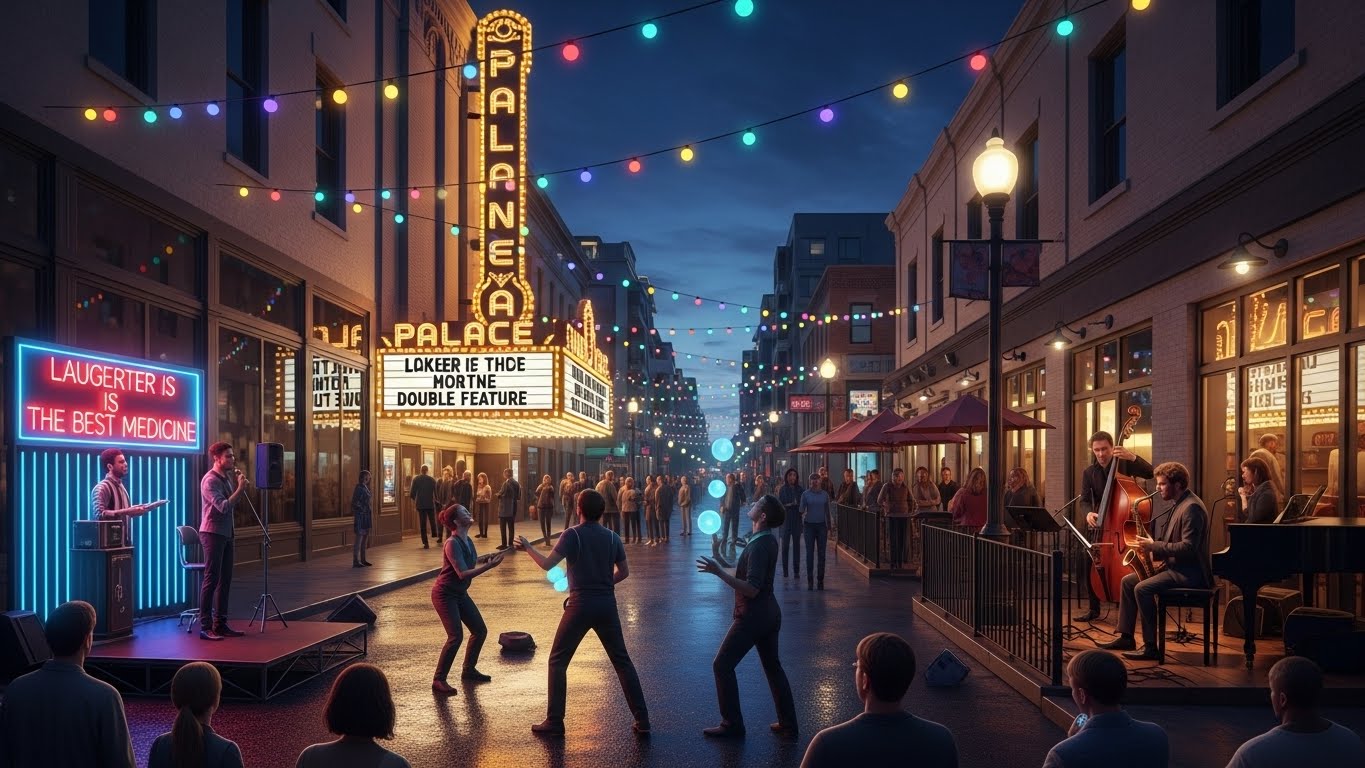
While digital entertainment continues to dominate, live entertainment has also found new ways to thrive. Concerts, theater performances, stand-up comedy, and live sports events remain important sources of enjoyment for millions of people worldwide. In fact, live experiences have taken on a new layer of significance, especially in the post-pandemic era.
The advent of live-streaming platforms has allowed these events to reach a broader audience, giving fans the opportunity to attend a concert or watch a live show from the comfort of their homes. Virtual reality is also being used to create “virtual concerts” and immersive experiences where viewers feel as though they are part of the event itself.
Moreover, hybrid live and digital events are becoming more common, blurring the line between in-person and virtual experiences. A concert may offer a live audience in one location while streaming it globally for fans who can’t attend in person. This blending of formats ensures that live entertainment can be enjoyed by a diverse and global audience.
The Future of Entertainment: Trends to Watch
As technology continues to advance, the future of entertainment promises even more exciting innovations. Here are some key trends that could shape the next generation of entertainment:
- Artificial Intelligence and Personalized Content: AI is increasingly being used to create content, whether it’s music, film, or gaming. Personalized recommendations powered by AI will continue to improve, ensuring that viewers are constantly exposed to content tailored to their tastes.
- Interactive Storytelling: The lines between video games and movies are becoming more blurred, with interactive storytelling experiences on platforms like Netflix and YouTube. These immersive narratives allow viewers to make decisions that affect the outcome, offering a more personalized and engaging experience.
- 5G and Enhanced Connectivity: The rollout of 5G networks will allow for faster and more reliable streaming, as well as the widespread adoption of VR and AR experiences. Expect more immersive and seamless entertainment experiences with lower latency and high-definition quality.
- Sustainability in Entertainment: As awareness of environmental issues grows, the entertainment industry will likely embrace more sustainable practices. Virtual events and digital content could replace many physical gatherings, reducing the industry’s carbon footprint.
Conclusion: Entertainment in an Ever-Changing World
Entertainment has always been a reflection of culture, technology, and societal values. As we transition into the future, entertainment will continue to adapt to new technologies, societal shifts, and consumer demands. The rise of digital media, interactive experiences, and social media platforms has dramatically reshaped the entertainment landscape, providing both challenges and opportunities.
Whether it’s through streaming services, immersive gaming, or live virtual events, entertainment remains a vital part of human life. The key will be how industries and creators continue to innovate and connect with audiences in ways that are both meaningful and enjoyable. Whatever the future holds, one thing is clear—entertainment will continue to evolve, offering new ways to entertain, engage, and inspire us all.